Think Lemmings Are Cute? Here’s What They Really Do to Your Home
- Quick Tags: Lemming, pet lemming care, large rodent habitat, exotic rodent breeding
- Editor: Chloe Jones
- Updated: Apr,05,2026
- Views: 373.4k



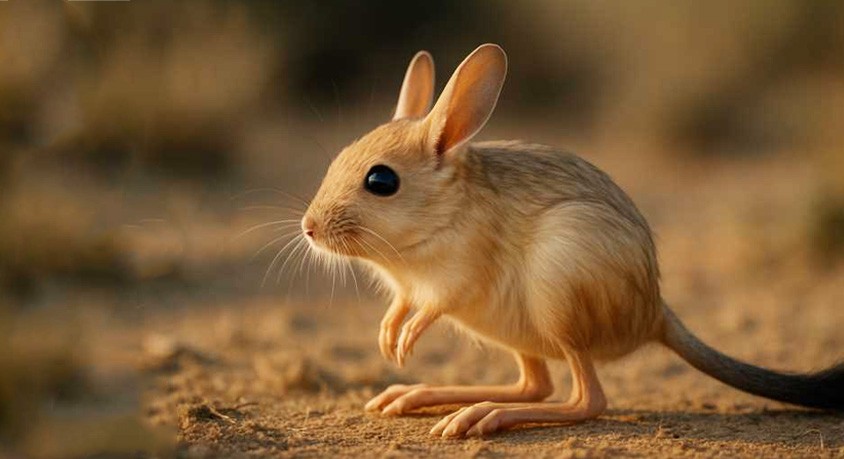


My friend Jasper has always been obsessed with “mythical underdogs”—so when he saw a reel debunking the lemming “mass suicide” myth, paired with footage of tiny, fluffy lemmings scurrying through moss, he was hooked. “They’re misunderstood cuties!” he gushed, dropping $200 on a pair (Moss and Pebble) and a “starter vivarium” he thought was “spacious enough.” Two months later, his texts are a mix of panic and dark humor: a photo of his once-pristine moss-and-stone setup reduced to a pile of dirt and uprooted plants, another of six tiny lemming pups huddled in a burrow. “I thought I was rescuing misunderstood rodents,” he laughed, scrubbing dirt off his shelf. “Turns out, I invited a squad of tiny, furry interior designers who hate my taste—and multiply like crazy.” That’s the lemming truth no one tells you: The “mass suicide” thing is total Hollywood BS, but these Arctic rodents are still chaos in a fluffy package. They’re not evil, just biologically wired to breed fast, dig deep, and turn any enclosure into their personal construction zone—if you’re not ready for a rodent-sized uprising, steer clear.
Let’s start with the myth-busting, because that’s the hook: Lemmings do NOT commit mass suicide. The iconic “cliff-jumping” footage from old documentaries? Staged. Filmmakers herded lemmings off cliffs for drama, per wildlife biologists at the Arctic Research Center. In reality, lemmings migrate when their population booms, and some fall off cliffs accidentally—but it’s not a suicidal ritual. Cool, right? Now the buzzkill: That population boom isn’t just a wild thing—it’s a pet owner’s worst nightmare. Female lemmings have a 20-day gestation period and can have 3-4 litters a year, with 4-8 pups per litter, according to the Association of Exotic Mammal Veterinarians. Jasper started with two; three months later, he’s got eight. “I didn’t even realize Pebble was pregnant until I found a litter of tiny fluffballs,” he says. “Now I’m basically running a lemming daycare, and my ‘spacious’ starter vivarium looks like a crowded subway car.”
Space is non-negotiable here—and “spacious” for lemmings isn’t what you think. In the wild, they roam Arctic tundra and dig complex burrow systems up to 1 meter deep, with multiple tunnels for nesting, storing food, and escaping predators. As pets, they need an extra-large vivarium (minimum 4 feet long, 2 feet wide, 2 feet tall) filled with at least 30 centimeters of deep, organic bedding for burrowing. They also need live, pet-safe plants to mimic their natural habitat—otherwise, they get bored and destructive. Jasper’s first vivarium was half that size, with a thin layer of bedding and fake plants. Moss and Pebble responded by digging nonstop, uprooting every fake plant, and chewing through the vivarium’s plastic edges. “I upgraded to a giant glass tank and hauled 30 pounds of organic bedding home,” he says. “Now they’ve dug a maze of tunnels that would make a gopher proud—but they still rearrange the plants every night like they’re auditioning for a home renovation show.”

Their “redecorating” isn’t just messy—it’s rooted in their complex social structure. Lemmings are highly social, living in colonies in the wild, and they work together to build and maintain their burrows. In captivity, that means your carefully arranged rocks and plants are just “suggestions” for their collective project. Jasper once spent an hour arranging a small stone path and moss garden; the next morning, it was a pile of stones and a new burrow entrance. “They’re not being naughty—they’re collaborating,” his exotic vet explained. “Lemmings have a strong drive to modify their environment, and they do it as a group.” They’re also surprisingly active—no lazy hamster naps for these guys. They’re up at dawn and dusk, scurrying, digging, and “arguing” over tunnel space. “My roommate says it sounds like a tiny construction crew in my room,” Jasper jokes.
To be clear: Lemmings are fascinating. Jasper loves watching them interact—Moss grooms Pebble, the pups chase each other through tunnels, and they all huddle together for naps. They’re almost odorless and rarely bite if handled gently. But they’re not for casual pet owners. Between the rapid breeding, massive space needs, and constant burrowing, they’re a commitment most people aren’t ready for. Jasper’s now researching how to rehome the pups to a rescue that specializes in exotic rodents—he’s keeping Moss and Pebble, but he’s learned his lesson. “I fell for the ‘misunderstood cutie’ vibe without doing the work,” he says. “Lemmings aren’t bad—they’re just wild animals that belong in the tundra, not my shelf.”
If you’re tempted by lemmings’ fluffy charm and myth-busting appeal, hit pause. Ask yourself: Can I handle a rodent that multiplies every 20 days, needs a vivarium the size of a coffee table, and rearranges your decor nightly? If yes, then you’re a rare breed—but most of us aren’t. The lemming “mass suicide” myth is fake, but the chaos of owning one is very real. Jasper sums it up best: “They don’t jump off cliffs, but they will jump into your life and turn it upside down. Admire them from wildlife docs, not your living room.”