I Knew Maine Coons Were Big. I Didn’t Know They Were This Big
- Quick Tags: Maine Coon cat, large cat breed, high-maintenance cat care
- Editor: Chloe Jones
- Updated: Mar,28,2026
- Views: 449.4k



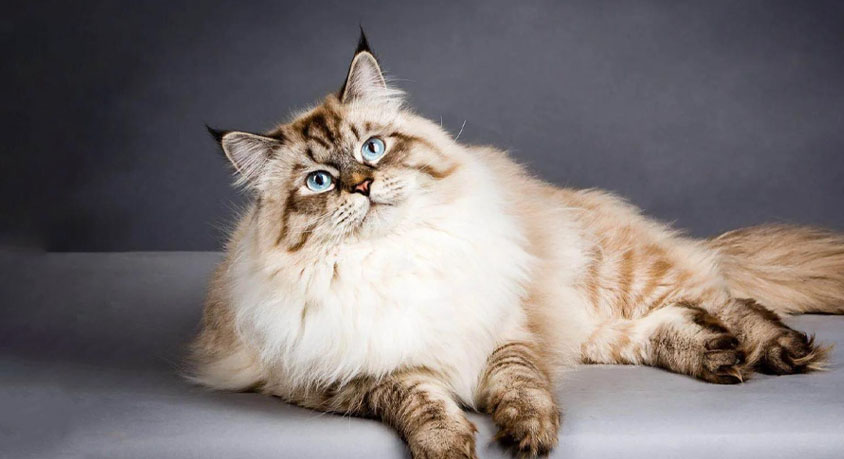
My friend Eli used to gush about Maine Coons like they were the cat version of a cozy cabin in the woods—“gentle giants,” “teddy bears with tails,” “perfect for cuddles.” He finally adopted Bear, a fluffy orange Maine Coon kitten, and spent weeks posting pics of the tiny ball of fur napping in his palm. Fast forward 18 months, and Bear’s gone from “cute kitten” to “literal furniture”—weighing in at 22 pounds, with a tail like a feather duster and a habit of taking up half Eli’s couch. “I thought I was getting a big cuddle buddy,” Eli says, filming Bear chow down on his third cup of food that day. “Turns out, I signed up to run a small cat-sized logistics company—food, litter, furniture, all scaled up to 11.” That’s the Maine Coon truth no one romanticizes: their “gentle giant” vibe is amazing, but their giant size comes with giant costs, giant messes, and giant space needs. This isn’t just pet ownership—it’s a lifestyle overhaul, and only people with the budget, space, and patience need apply.
Let’s start with the most obvious: the food bill. Maine Coons are one of the largest domestic cat breeds, with adult males weighing 13-18 pounds (females 8-12 pounds)—Bear’s on the bigger side, but far from unusual. Feline nutritionists recommend 2-3 cups of high-quality dry food per day for large breeds, plus wet food as a supplement—double the amount of a average house cat. Eli crunches the numbers: “Bear goes through a 20-pound bag of food every two weeks, which costs $40. That’s $80 a month just for chow—more than I spend on my own snacks.” And it’s not just quantity—they need nutrient-dense food to support their big bones and muscles, so cheap kibble won’t cut it. “The vet said skimping on food could lead to joint issues later,” Eli adds. Then there’s the litter situation: a standard litter box is like a porta-potty for a giant—Bear refused to use it, so Eli had to upgrade to a high-capacity litter box the size of a small storage bin. “He goes through a 40-pound bag of litter every three weeks, and cleaning it is a workout,” Eli groans. “I’ve definitely considered hiring a part-time litter attendant.”
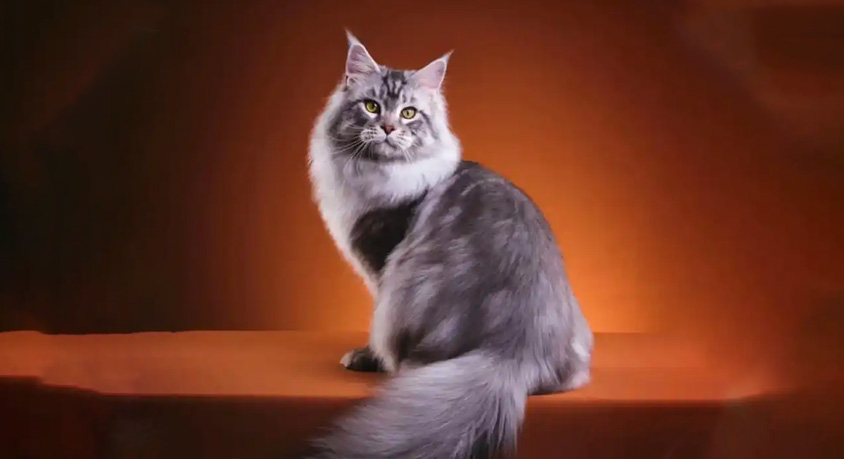
Furniture is another giant hurdle. Regular cat trees? Bear snapped the first one in two weeks, his big paws and weight too much for the flimsy frame. Eli had to drop $300 on an extra-large, solid-wood cat tree designed for large breeds—“and he still prefers to climb my bookshelf,” he says. Even basic supplies need an upgrade: Bear’s carrier is the size of a small dog crate, his bed is a memory-foam pad meant for medium-sized dogs, and his water bowl is a giant ceramic basin (he knocks over small ones with his tail). “I went to buy a cat brush last month and realized the regular ones couldn’t handle his fur—had to get a professional-grade grooming tool that costs more than my hairbrush,” Eli laughs. Grooming itself is a daily chore: Maine Coons have thick, double coats that shed constantly and mat easily. Eli spends 15 minutes every morning brushing Bear, plus a weekly wipe-down with a damp cloth to keep his fur from getting greasy. “If I skip a day, he looks like a matted dust bunny, and he’ll leave fur tumbleweeds all over my apartment,” he says. A 2024 survey by the Cat Fanciers’ Association found that Maine Coon owners spend 3x more on supplies than owners of small breeds—no surprise to Eli.
Space is non-negotiable. Maine Coons aren’t apartment cats—they need room to roam, climb, and stretch their long legs. Eli’s 1,200-square-foot apartment feels cramped now that Bear’s fully grown. “He’ll do zoomies at 3 a.m., crashing into walls and knocking over lamps,” Eli says. “I’ve had to move my coffee table because he kept tripping over it, and my couch is basically his territory—I get the edge if I’m lucky.” They’re also active despite their size, needing playtime to burn off energy—Eli bought a giant feather wand and a laser pointer, but Bear’s favorite toy is a 2-foot-long plush mouse that he drags around like a trophy. “He’s gentle, don’t get me wrong—he’ll curl up with me and purr so loud the windows rattle—but he’s still a big, energetic cat,” Eli says. “If you live in a studio or hate having your space taken over, a Maine Coon will drive you crazy.”
The worst part? Eli’s story isn’t unique. The same CFA survey found that 35% of first-time Maine Coon owners are shocked by the cost and space requirements, with 15% admitting they weren’t prepared for the daily grooming. But here’s the flip side: Bear’s also everything Eli wanted in a cat—affectionate, loyal, and weirdly dog-like (he follows Eli from room to room and even comes when called). “Yeah, he’s expensive and messy and takes up half my life,” Eli says, scratching Bear’s chin as the cat purrs. “But when he curls up on my lap and I can barely move, it’s worth it. He’s not just a cat—he’s my giant, fluffy roommate.”
If you’re drawn to Maine Coons for their cozy “gentle giant” vibe, pause before you adopt. Ask yourself: Can I afford $80+ a month on food? Do I have space for a 20-pound cat and extra-large supplies? Am I ready to brush a cat every day and clean a litter box the size of a bin? If the answer is yes, then a Maine Coon will steal your heart (and your couch). But if you’re a casual cat owner or live in a small space, stick to a smaller breed. Eli sums it up best: “Owning a Maine Coon isn’t just love—it’s commitment, logistics, and a whole lot of fur. But man, those giant cuddles make it all worth it.”